The best cameras for shooting Indian weddings in 2025
Indian weddings break cameras. Not metaphorically—they actually break them. You're shooting for 12 hours straight in 40-degree heat, the pheras run long, someone's aunt keeps standing in your frame, and your buffer fills up during the varmala because everyone's firing off 20fps like it's a sports event.
Your camera needs to handle this without shutting down halfway through the bidaai.
This guide covers cameras that working photographers actually use at Indian weddings. Not the gear that looks good in YouTube thumbnails—the equipment that survives 12-hour shoots in brutal conditions and keeps autofocus locked when the only light source is a string of fairy lights.

What you actually need in a wedding camera
Dual card slots. That's non-negotiable. Your client doesn't care that your SD card corrupted—they just know their wedding photos are gone.
Battery life matters more than megapixels. You can't stop to swap batteries during the jaimala. The moment happens once, and if your camera dies, you don't get a do-over.
Autofocus that works in terrible light. Indian wedding venues have mood lighting, which is code for "barely any light." Your camera needs to lock focus on the bride's face when the only illumination is from a string of fairy lights and someone's iPhone.
Heat management. Cameras overheat. It's physics. But some handle it better than others. The FX3 has active cooling. Most mirrorless cameras have a 30-minute recording limit before they shut down to cool off. Know which is which before you're filming the couple's first dance.
Full-frame or crop sensor for a wedding?
This is the first question most people getting into wedding work ask, so here's the short version: full-frame makes the hard parts easier, and the hard parts are what you get paid for. A full-frame sensor is physically larger, so it collects more light. When the reception is lit by a single chandelier and a DJ rig, that extra light is the difference between a clean file and a grainy one you'll fight in editing for hours.
Full-frame also gives you the shallow, soft background blur couples expect from a paid photographer, and it keeps your effective focal lengths where you'd expect them. Crop-sensor bodies apply a multiplier of roughly 1.5x on Sony and Nikon and 1.6x on Canon, so a 50mm lens frames more like a 75mm or 80mm. That extra reach can help for candids across a hall, but in a tight venue it means you're suddenly backed against the wall trying to fit a group in.
None of this makes crop useless. An APS-C body is lighter, cheaper, and perfectly good for a daytime haldi or mehndi on a sunlit terrace, or as a second camera slung over your other shoulder. But for the dim banquet-hall pheras and the reception that runs past midnight, full-frame is what almost every working wedding photographer in India reaches for.
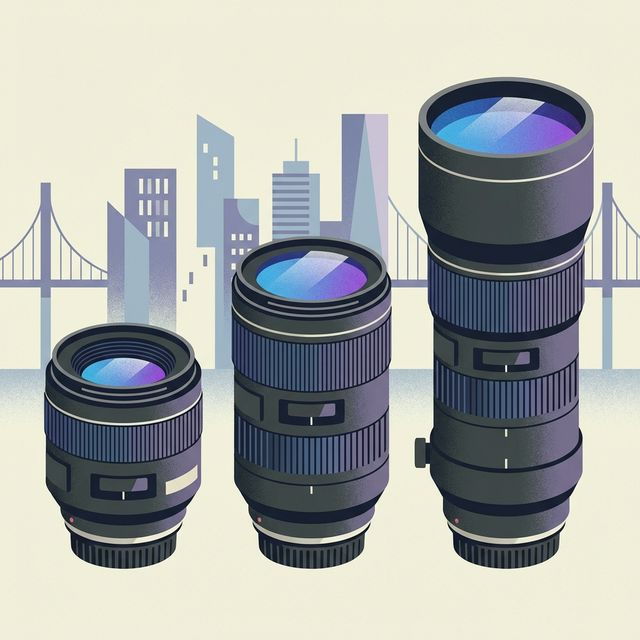
Your lenses do the heavy lifting, not the body
Photographers argue about camera bodies online, but at the wedding it's the glass on the front that decides how your photos look. You can shoot a whole wedding on a mid-range body with great lenses and nobody will know. Do it the other way around and the flagship body won't save you.
Most working shooters cover an entire Indian wedding with three lenses. A 24-70mm f/2.8 is the everyday workhorse that handles group shots, candids, and details without a lens change. A 70-200mm f/2.8 gives you the reach to shoot the couple at the mandap or on stage from the back of the hall, and the longer focal length flatters faces while it compresses the busy background into a soft wash. Then a fast prime, usually a 35mm, 50mm, or 85mm, for portraits and the darkest corners of the night.
The number that actually matters is the maximum aperture. A lens that opens to f/1.4 or f/2.8 lets in far more light than the f/4-5.6 kit zoom bundled with cheaper cameras, which means you can keep your ISO lower and your shutter fast enough to freeze a spinning dupatta during the sangeet. If you only have money for one upgrade after the body, put it into a single fast prime before anything else. In a tight banquet hall, a 16-35mm on Canon or Sony, or a 14-30mm on Nikon, also earns its place for wide shots of the decor and the full mandap.
Premium cameras that won't let you down
These are for photographers shooting high-budget weddings where the couple expects magazine-quality deliverables and you can't afford any technical failures.
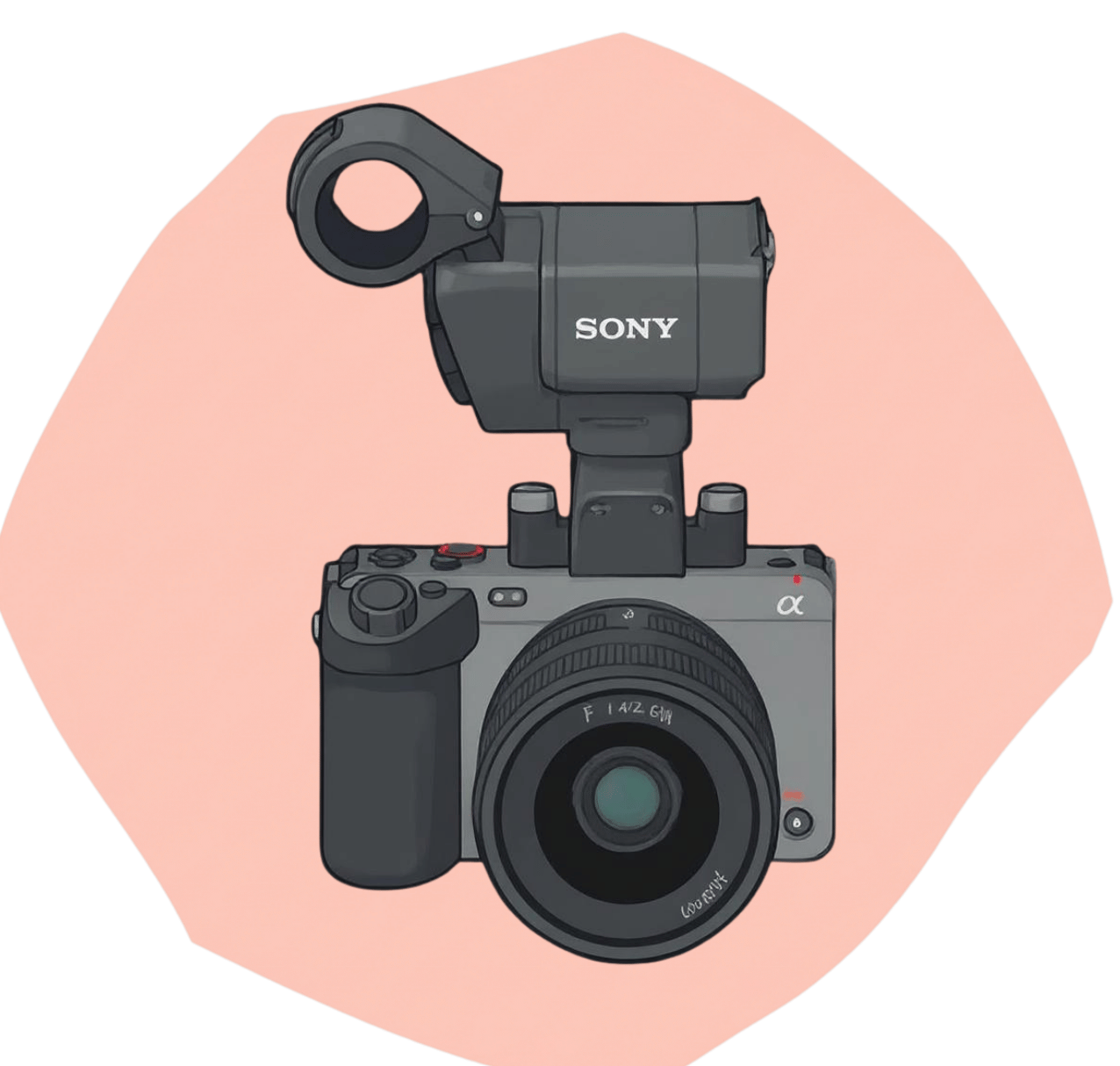
Sony FX3
The cinema camera wedding filmmakers actually use. Records 4K 120fps without overheating.
₹3,70,000 approx Read more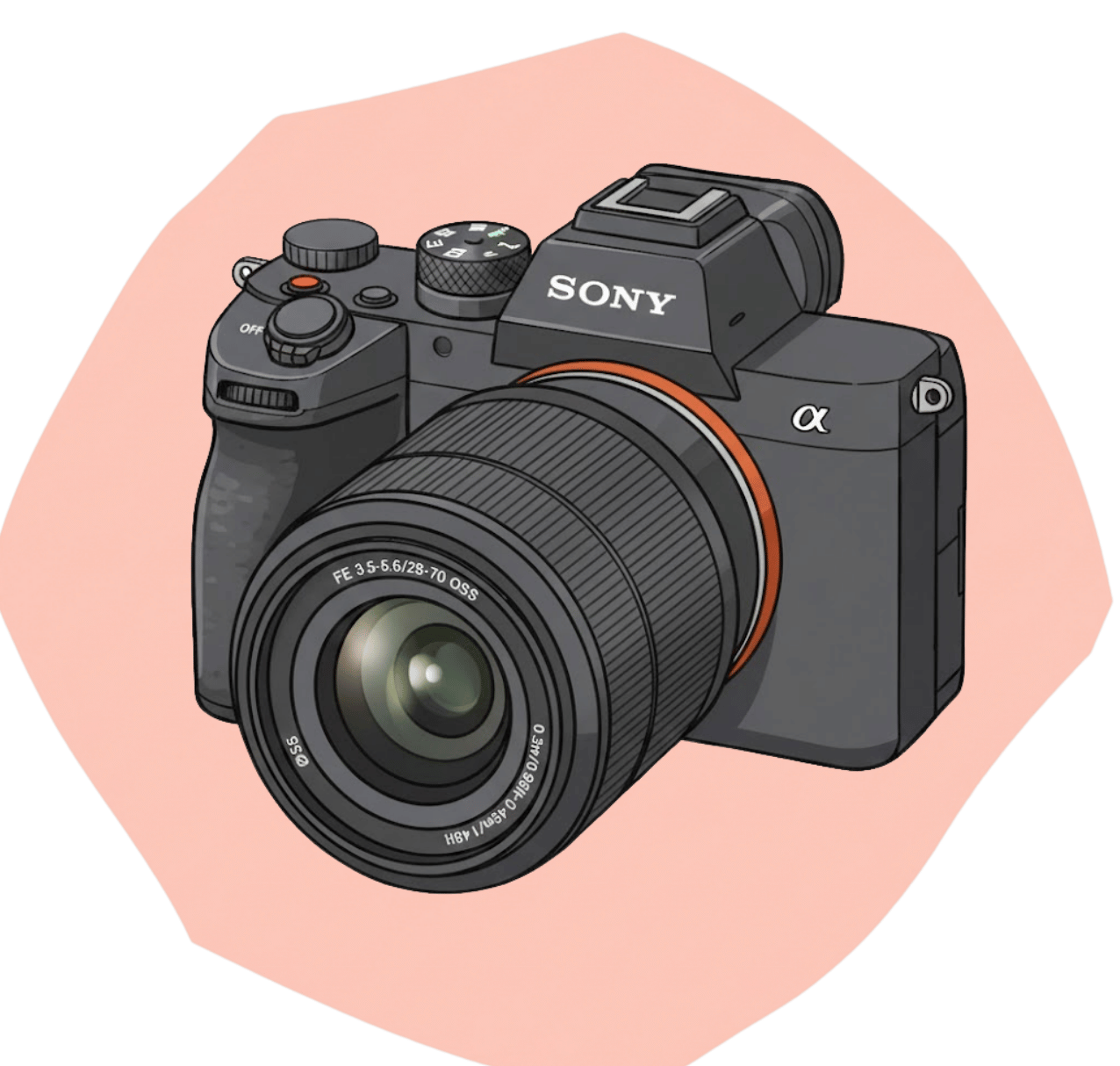
Sony Alpha 7 IV
The hybrid king. 33MP stills and 10-bit 4:2:2 video. Scary good eye-tracking AF.
₹2,17,000 approx Read more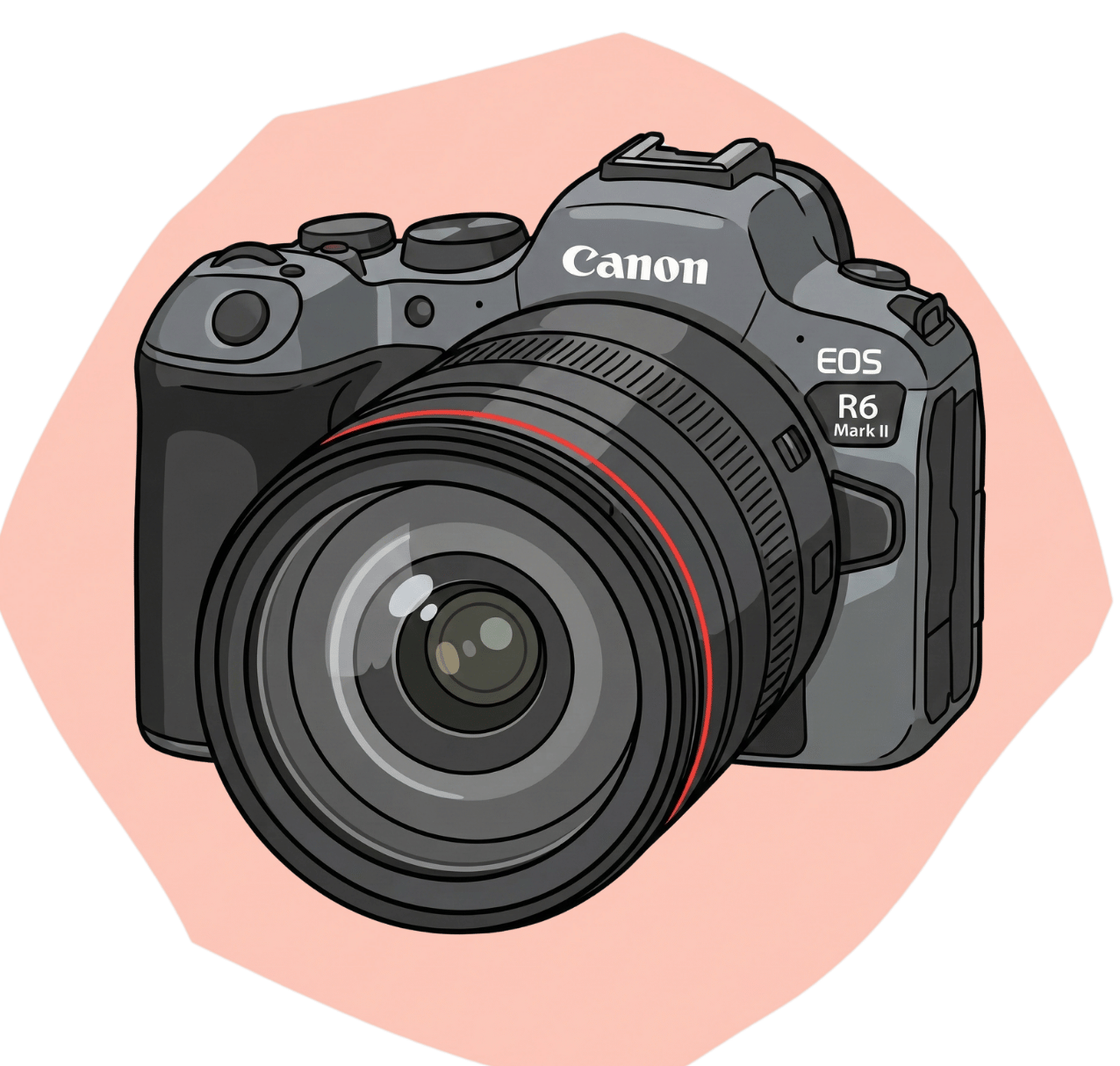
Canon EOS R6 II
Legendary Canon color science for perfect skin tones. Blistering 40fps burst rate.
₹2,15,000 approx Read moreNikon Z8
This is Nikon's flagship in a smaller body. It shoots 8K video if you need it and 45.7MP stills for massive prints or wall-sized canvases.
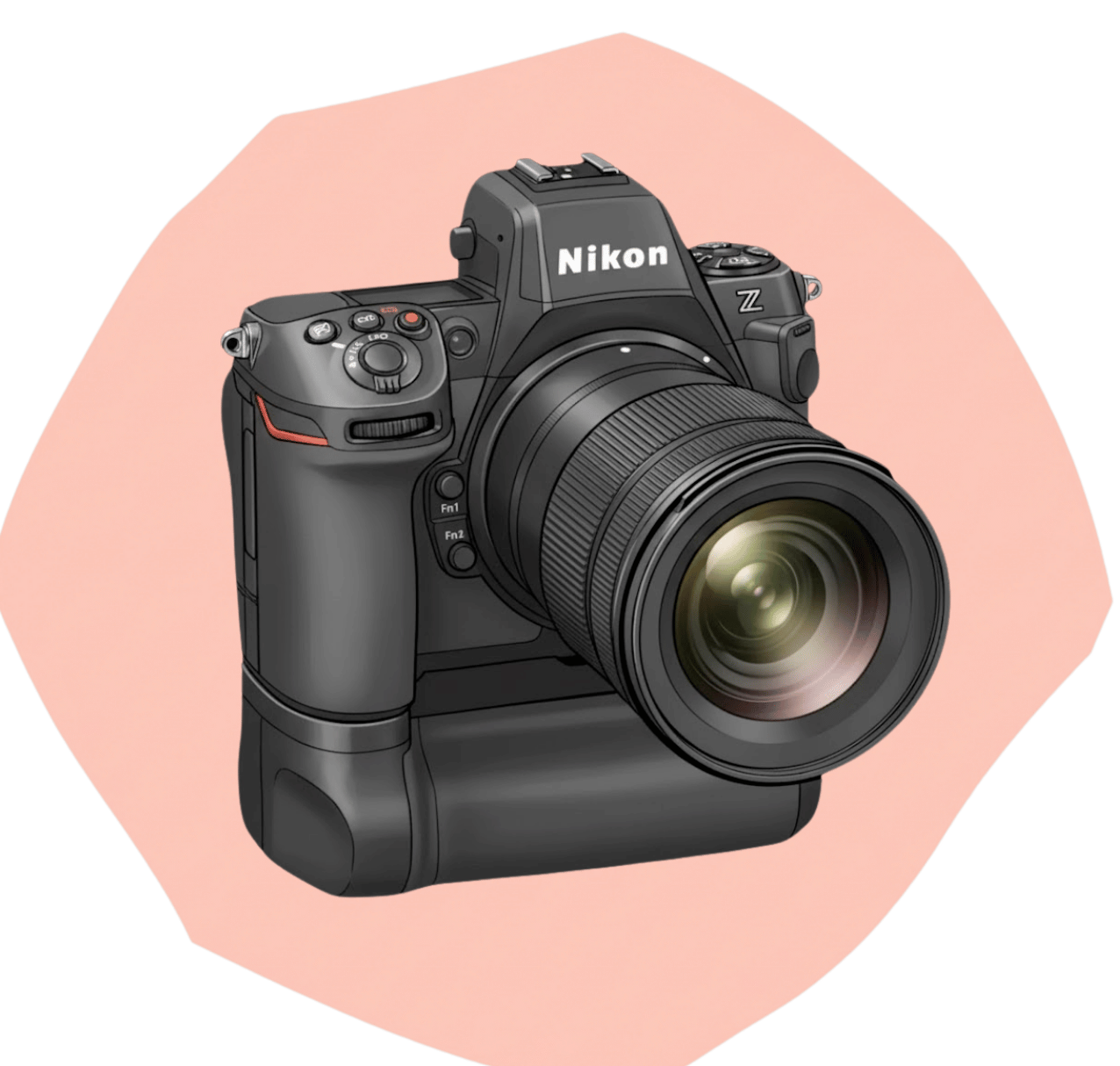
Nikon Z8
Flagship performance in a smaller body. 45.7MP for massive prints and incredible 8K video.
₹3,15,000 approx Read moreLumix S5 IIX
The S5 IIX has the best in-body stabilization in this price range. If you're shooting handheld video and don't want to lug around a gimbal, the stabilization keeps footage smooth enough that it looks intentional.
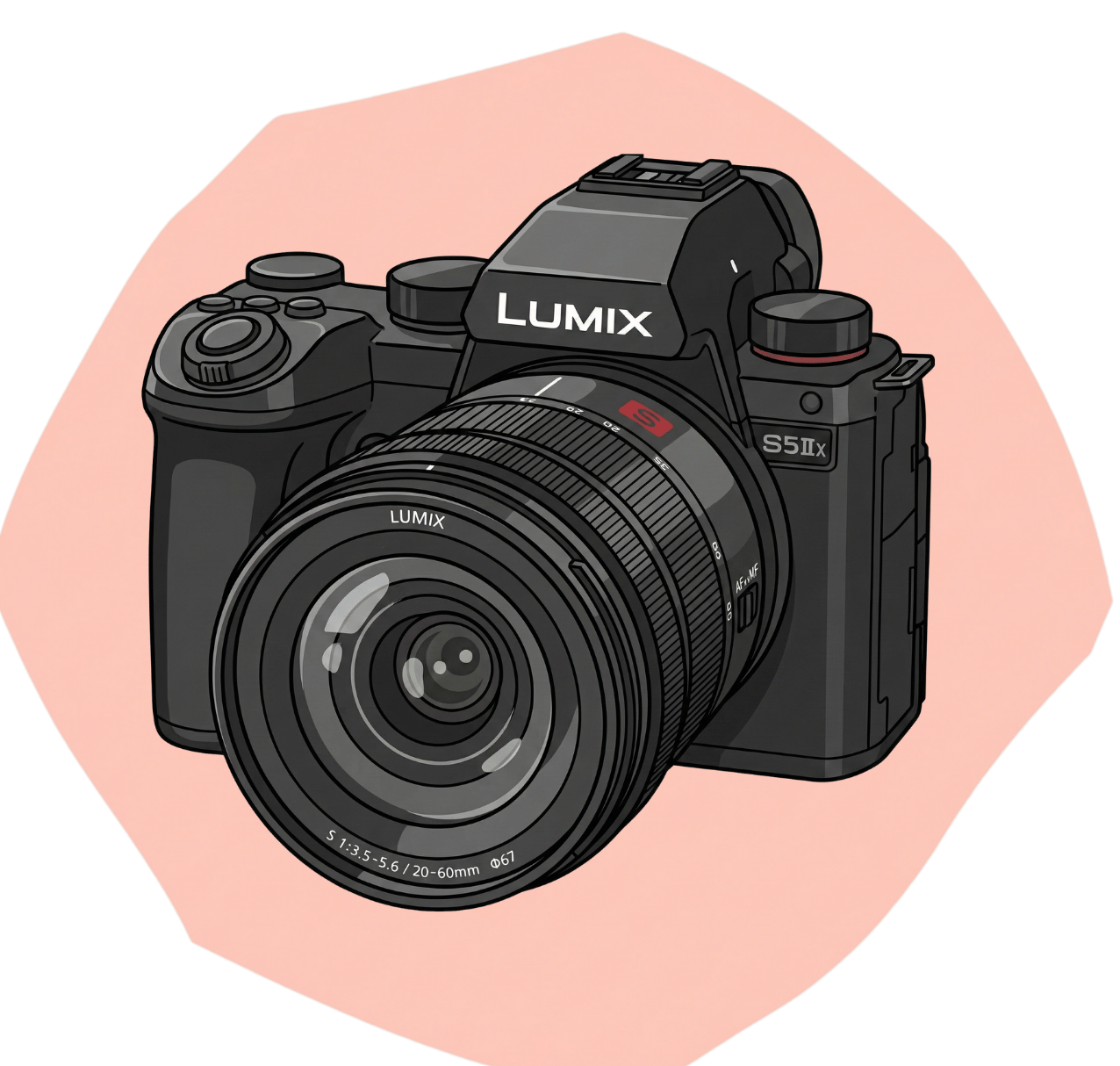
Lumix S5 IIX
Best-in-class stabilization for gimbal-free video. The first Lumix with reliable Phase Detect AF.
₹1,95,000 approx Read moreBudget full-frame cameras that get the job done
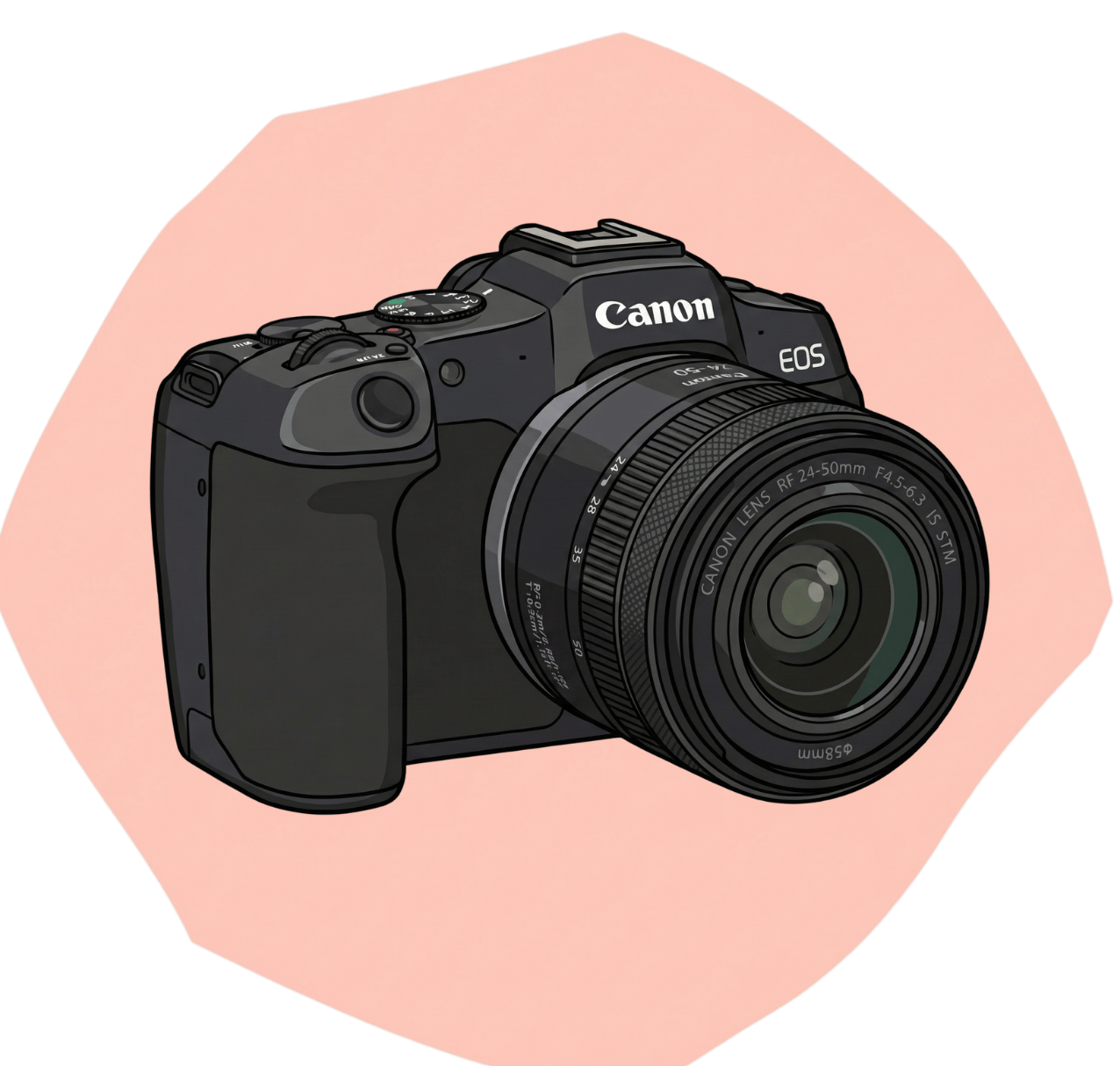
Canon EOS R8
Identical 24MP sensor and AF as the R6 II. Tiny and light. Single card slot.
₹1,20,000 approx Read more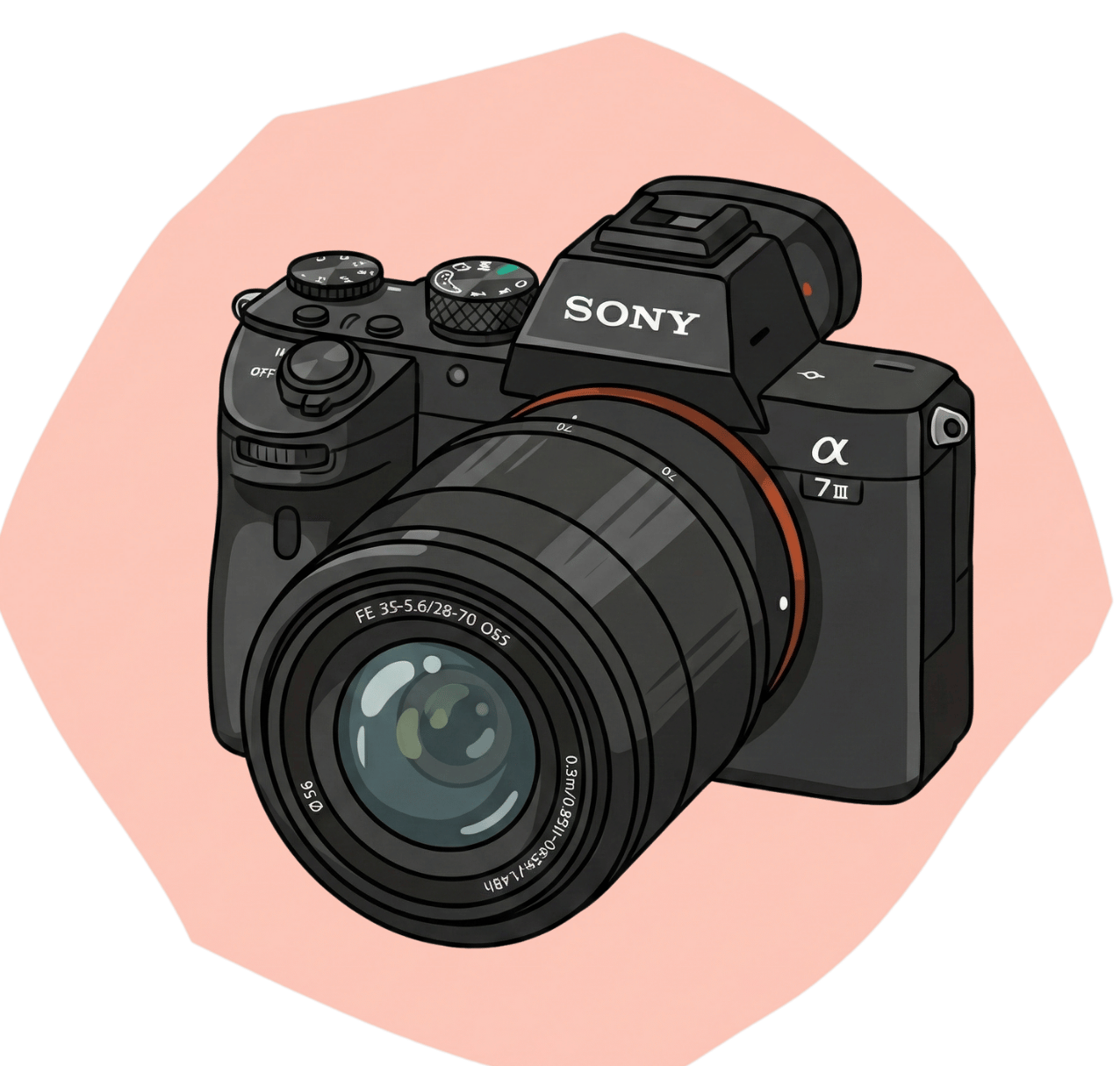
Sony Alpha 7 III
Released in 2018 and still a powerhouse. Dual card slots, great battery, and reliable AF.
₹1,45,000 approx Read more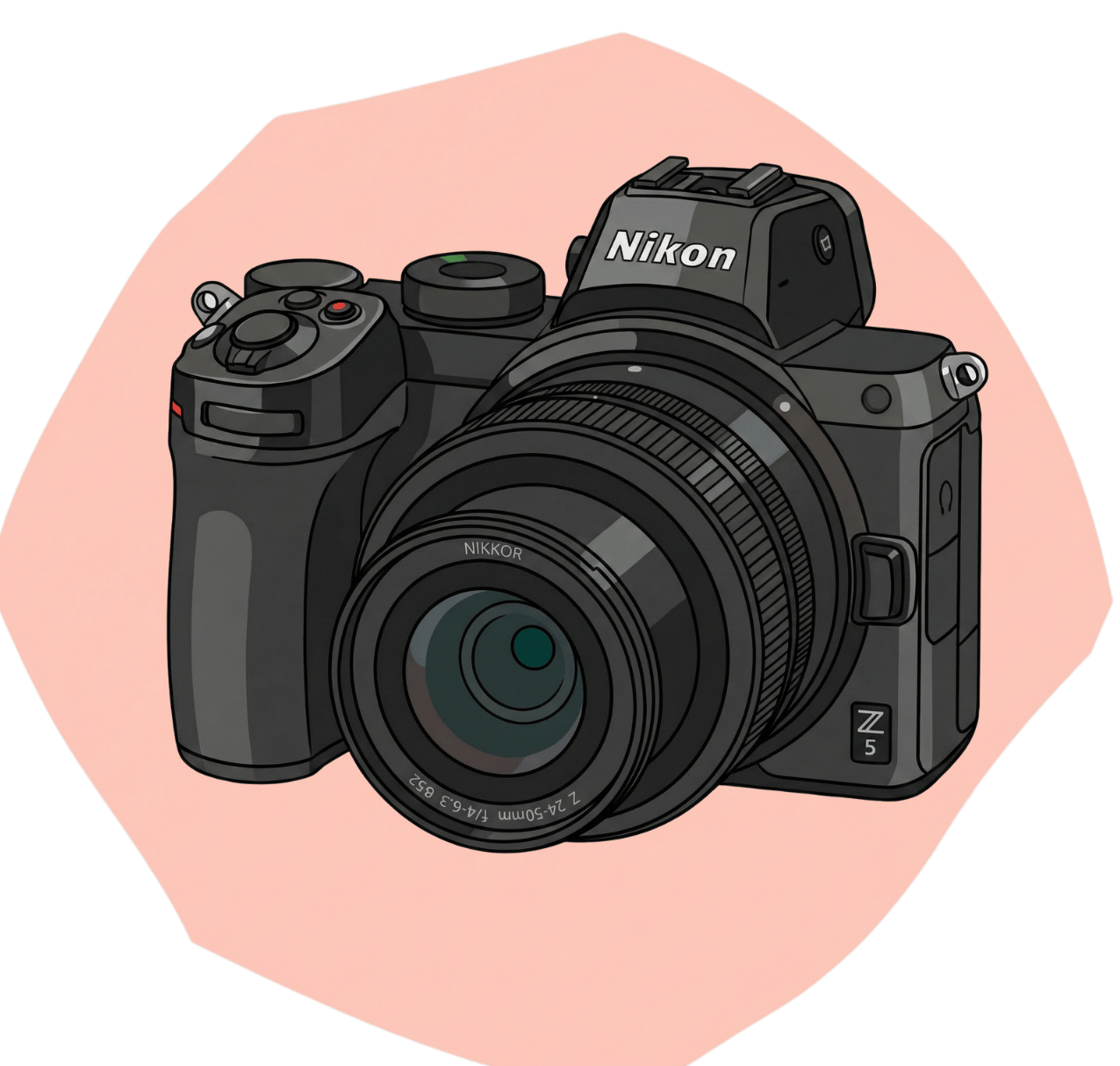
Nikon Z5
Solid entry into the Z system. Dual card slots and great ergonomics. Best if you shoot mostly stills.
₹88,000 approx Read moreWinning in the low light of an Indian wedding
Indian wedding lighting is its own kind of chaos. Warm tungsten in the banquet hall, coloured uplights on the stage, fairy lights strung across the mandap, and during the pheras sometimes nothing but the fire and a cousin's phone torch. Your camera has to hold focus and keep skin tones believable through all of it.
Three things carry you through. First, a body with clean high-ISO performance, which is exactly where the full-frame sensors above pull ahead: shooting at ISO 6400 on a modern full-frame body still gives you a file you can print, where an older or smaller sensor turns to mush. Second, a fast lens, so you're gathering light with the glass instead of pushing the ISO even higher. Third, autofocus that actually locks onto an eye in the dark, which the current Sony, Canon, and Nikon bodies all do well.
When the room is genuinely too dark, you stop fighting it and add your own light, which is where the gear below comes in.
What about lighting?
The camera body is half the equation. Lighting defines whether your photos look like they were shot at a wedding or a magazine cover.
- Godox V1 Speedlight: Round head for softer light. (₹15,000)
- Godox AD200 Pro: Pocket strobe with serious power. (₹25,000)
- Amaran 100x S: Continuous LED light for video. (₹22,000)
Getting photos to your guests
You've got the gear, you've shot the wedding, now you need to deliver photos to 300 guests who are all asking "when will I get my pictures?"
AccioPix makes delivery stupidly simple. Upload your photos once, share a WhatsApp link, and guests find their own photos using a selfie. No apps to download, no registration.
If you're the photographer covering the wedding
The gear gets you the shots. Delivery is what gets you the next booking. However good your files are, the part clients remember is how quickly and how painlessly the photos landed in their hands, and that's usually the part photographers dread most: the weeks of "can you send me just the ones I'm in?" messages after the event.
AccioPix takes that off your plate without replacing you. You upload the finished album once, guests send a selfie on WhatsApp, and each person gets only the photos they appear in, at full resolution. Every delivery carries your name in front of a few hundred guests who are all potential clients, which is about the cheapest marketing a wedding photographer can buy. A 500-photo wedding costs roughly ₹100 in credits, less than you'll spend on chai during the edit. There's a longer breakdown in our guide to growing a photography business, and the full workflow lives on our photography page.
Best cameras for Indian weddings: FAQs
What is the best camera for Indian wedding photography?
There's no single winner, but the working favourites are full-frame mirrorless bodies with dual card slots, strong autofocus, and clean high-ISO performance. The Sony Alpha 7 IV and Canon EOS R6 Mark II are the two most common all-rounders on Indian wedding sets, while the Sony FX3 and Nikon Z8 handle the high-budget, video-heavy jobs. Any of them will survive a 12-hour shoot as long as you carry spare batteries and cards.
Do I need a full-frame camera for weddings?
You don't strictly need one, but full-frame makes the hardest part of the job easier. The larger sensor gathers more light, so your files stay clean when the only source is fairy lights or a DJ rig, and it gives you the shallow, blurred backgrounds couples expect. A crop-sensor body still works well for a daytime haldi or mehndi, or as a second camera, but for dim banquet-hall receptions, full-frame earns its price.
What lens should I use for wedding photography?
Most photographers cover a whole wedding with three lenses: a 24-70mm f/2.8 as the everyday workhorse, a 70-200mm f/2.8 to reach the mandap or stage from the back, and a fast prime like a 35mm, 50mm, or 85mm for portraits and low light. The wide aperture matters more than any other spec, because an f/1.4 or f/2.8 lens lets you keep the ISO down when the venue is dark.
What is a good budget camera for wedding photography in India?
The Sony Alpha 7 III, Canon EOS R8, and Nikon Z5 all deliver full-frame image quality well under the flagship prices. The A7 III and Z5 keep dual card slots, which is the safer choice for paid work, while the R8 drops to a single slot to save weight and money. Pair any of them with one fast lens and you have a wedding-ready kit that punches far above its cost.
Instant photo delivery for India's most photogenic wedding events, no apps.
Deliver your high-resolution shots to clients without WhatsApp quality loss.
How instant photo delivery turns event guests into repeat clients.